Eby Promised a Smooth Time-Zone Switch. Day One Came With Calendar, Clinic and Travel Warnings.
The NDP said eight months was enough to make B.C.’s permanent Pacific Time transition smooth. On day one, British Columbians were being told to double-check calendars, appointments, devices and travel times.
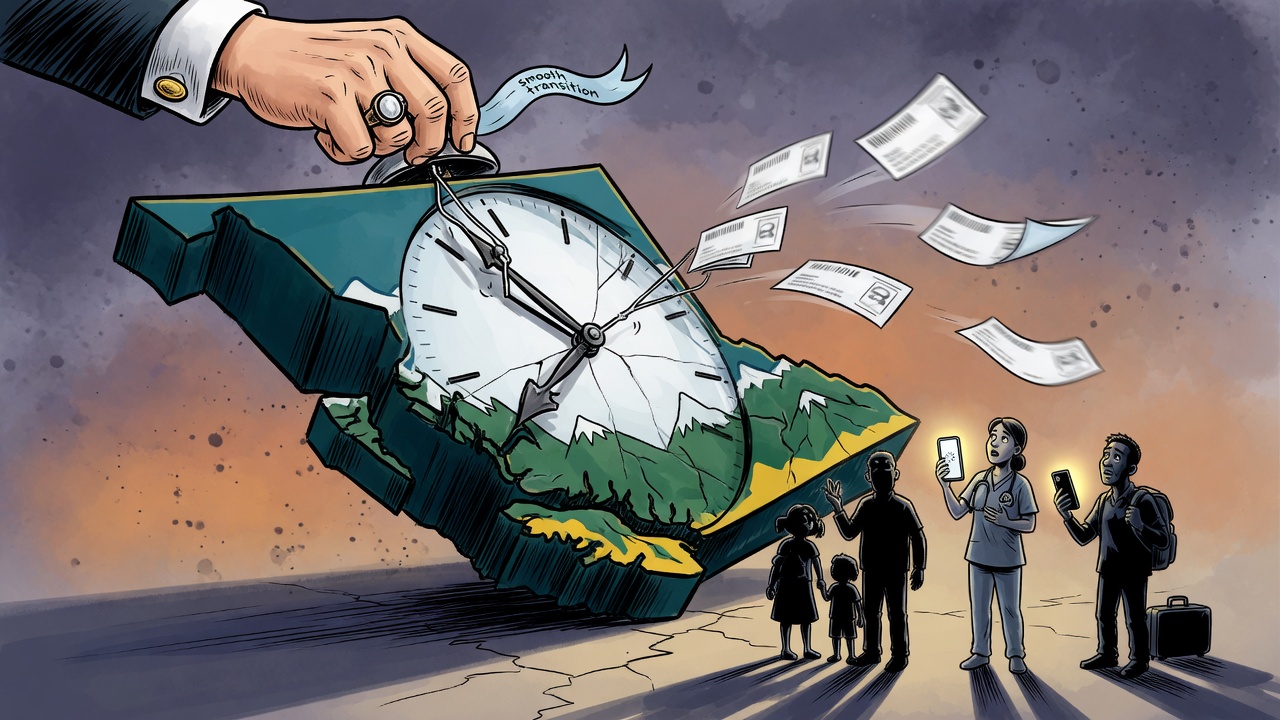
British Columbia did not just stop changing clocks. It changed the operating assumptions underneath calendars, appointments, shift systems, travel schedules and cross-border work.
That is why the NDP’s March promise matters. When Premier David Eby announced that the March 8 clock change would be B.C.’s last, the government said people and businesses would have eight months to prepare for November 1. It also said government would work with organizations, small businesses and public-sector partners to ensure a smooth, well co-ordinated transition.
On day one, the public message was not confidence. It was caution.
CityNews, citing Canadian Press reporting, said IT experts warned the switch could create missed surgeries, late deliveries and muddled meeting times. Vancouver Coastal Health and Island Health told patients to double-check appointments because times may have shifted by one hour. The University of Victoria and UBC warned staff that meetings scheduled on or after November 1 could show the wrong time, especially if booked before calendar-system updates.
Microsoft’s own October 30 guidance was even more blunt. It listed confirmed impacts for Outlook and Exchange calendars, Teams Rooms on Windows, Teams Auto Attendant, SharePoint On-Prem, Power Automate, Fabric, Bookings and Dynamics 365 Finance and Operations. Microsoft told administrators that existing calendar events do not migrate automatically and that recurring meetings need review.
That is not a small consumer inconvenience. Outlook, Teams, Bookings, SharePoint, Dynamics and Power Automate are the plumbing of offices, clinics, governments, schools and service counters. If those systems need manual review, then the “smooth transition” was still landing on end users at the moment it mattered.
Global News reported that the first few days could bring travel confusion and technology glitches. Beginning November 1, B.C. is two hours behind Eastern time and one hour ahead of U.S. Pacific states. Vancouver International Airport said airlines adjusted winter schedules, especially for routes connecting with places that still change clocks seasonally, and told passengers to check with airlines if they had questions.
Local governments and public institutions were also issuing practical warnings. UBC IT told users that meetings and appointments on or after November 1 may appear one hour off depending on the device or app used to create or view them, and said existing meetings already in calendars would not be changed automatically. Port Coquitlam told residents to review digital calendars and warned drivers and pedestrians about darker winter mornings.
None of this proves every appointment failed. It does prove the rollout required last-minute defensive instructions from major software providers, universities, health authorities, an airport and municipalities.
The accountability point is straightforward: if government chooses to break from neighbouring U.S. Pacific states on the clock, it owns the delivery risk. British Columbians were promised fewer disruptions. They got a homework list.
Sources and records
- B.C. government: permanent daylight saving time announcement, March 2, 2026
- CityNews / Canadian Press: calendar and medical-appointment warnings, October 31, 2026
- Global News: technology and travel impacts, October 31, 2026
- Microsoft: Canada 2026 time-zone changes product guidance, updated October 30, 2026
- UBC IT: B.C. time-zone change calendar and device guidance, updated October 23, 2026
- City of Port Coquitlam: no time change notice and calendar warning