More Revenue, Bigger Deficit: Eby’s Fiscal Hangover Is Now the Receipt
The NDP asked British Columbians to believe that higher revenues and careful choices would stabilize the books. The province’s own numbers show the opposite pressure.
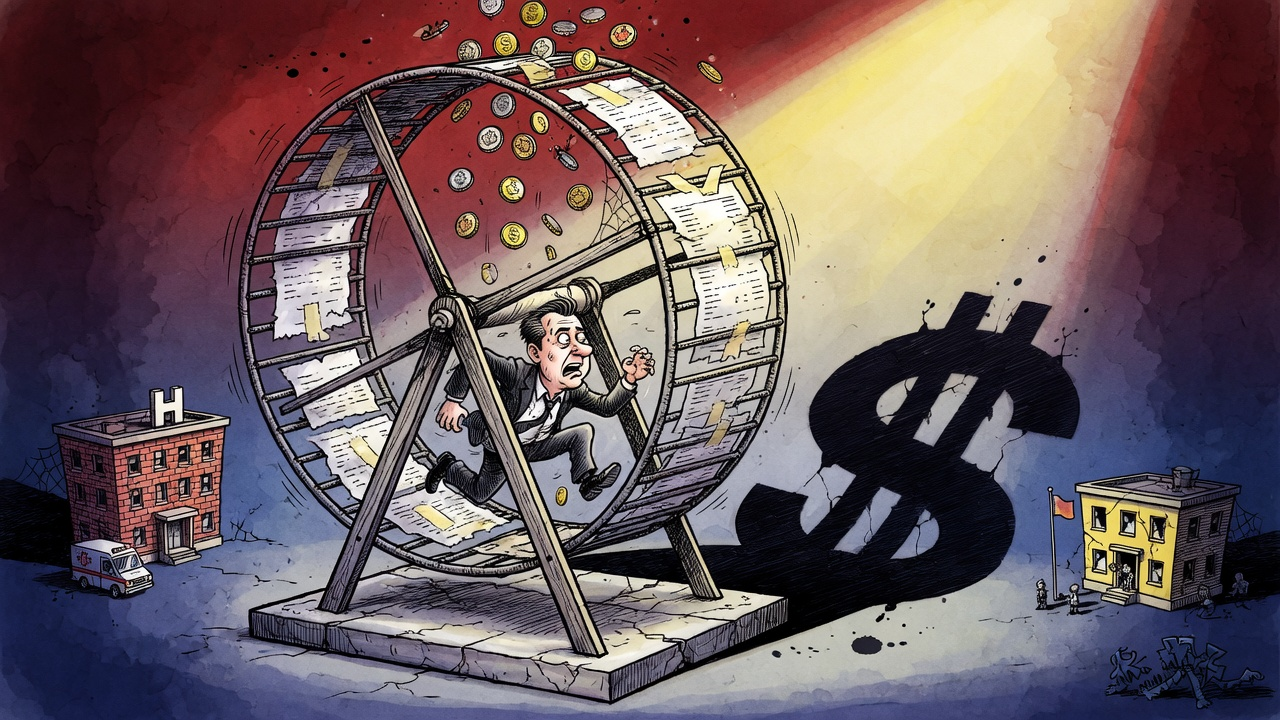
David Eby’s fiscal problem is no longer a campaign abstraction. It is a receipt with numbers attached.
B.C.’s First Quarterly Report forecast a $13.8-billion deficit for 2026-27, $450 million higher than Budget 2026. That happened even though the government’s own release said revenue was forecast at $86.3 billion, $789 million higher than budget. In plain English: Victoria took in more money than expected and still projected a worse shortfall.
The drivers were not hidden. The update said fire-management costs were forecast $614 million higher, refundable tax credits were up $458 million, and weaker natural-resource and housing-market revenues offset stronger income and sales-tax receipts. BCBC’s read was sharper: operating expenses were up $1.2 billion from budget, and the province was on track to cross $100 billion in operating spending a year earlier than February’s budget projected.
That is the central accountability test. The NDP’s defence is that global uncertainty, tariffs and wildfire costs made the year difficult. Those pressures are real. But they do not erase the long-run pattern: spending growth, debt growth, and a government still asking taxpayers and future budgets to absorb the bill.
The Business Council of B.C. says total provincial debt doubled from $90 billion in 2021-22 to $180 billion in 2026-27, while debt-servicing costs tripled from $2.7 billion to $6.3 billion. That is not an accounting footnote. Every dollar sent to interest is a dollar unavailable for emergency rooms, classrooms, roads, addiction treatment or rural services.
The Nov. 1 analysis puts the broader picture in even starker terms. It says B.C. has moved from a small surplus to a deep and prolonged deficit outlook under Eby’s NDP, with neither major party presenting a near-term path back to balance. The NDP platform, according to the analysis, showed the deficit falling only from roughly $13.8 billion this fiscal year to $11.97 billion in 2028-29, relying partly on higher taxes for top earners and up to $730 million a year in targeted-growth revenue tied to major projects.
That is not a credible repair plan on its own. It is a bet that new revenue arrives fast enough to outrun spending, debt charges and a weaker private economy. KPMG chief economist Ali Jaffery warned in the same analysis that bond markets will have little tolerance for high deficits in a province with weak private-demand growth.
The warning signs were already being raised inside the Legislature. In February, the deficit, DRIPA, resource-sector weakness and project uncertainty were all put directly to Eby in Question Period. The premier rejected the opposition’s framing and pointed to investment and job numbers. But the quarterly update later showed the books still deteriorating.
The public deserves more than resilience slogans. It deserves a line-by-line fiscal repair plan: what spending is permanent, what will be restrained, how resource revenues will be rebuilt, and when debt charges stop crowding out services.
Until then, the NDP’s record is simple: more revenue came in, the deficit still grew, and the interest bill kept running.