The Warning Came From Inside the House: Robinson Says Eby’s Defeat Was Hubris
A former B.C. finance minister is not blaming weather, timing or bad luck. Selina Robinson is pointing at leadership.
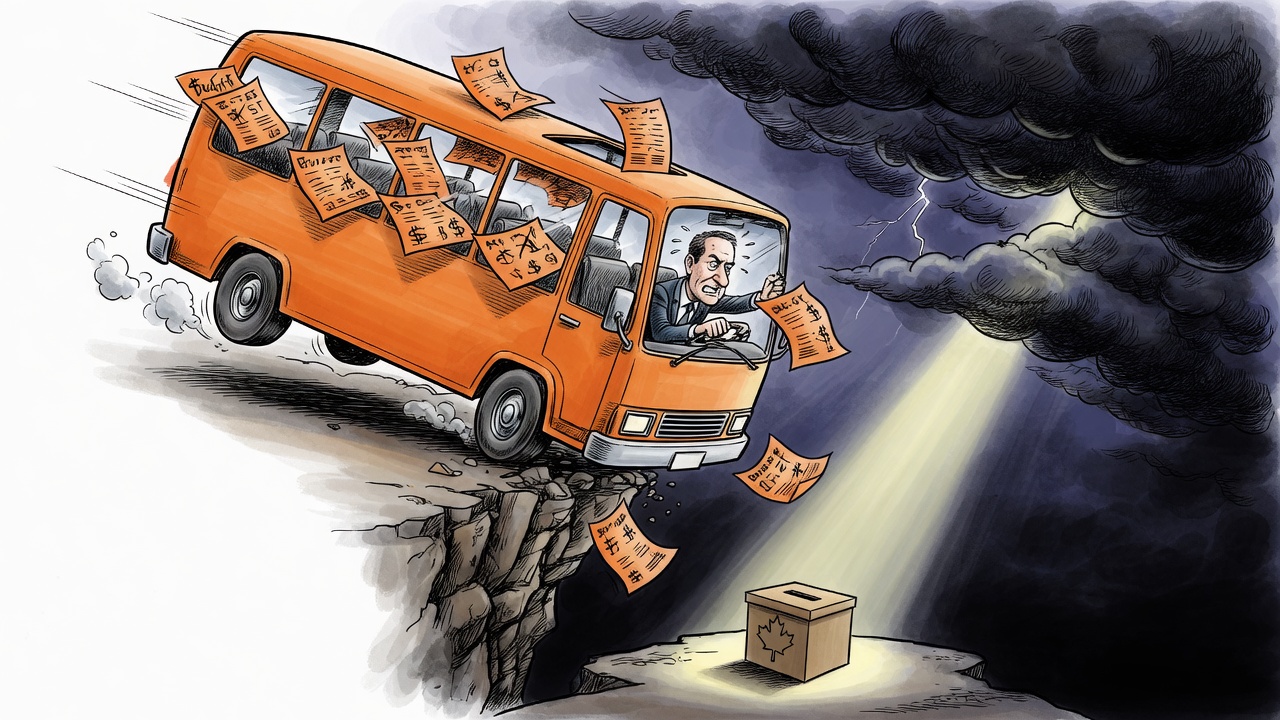
The most damaging post-election critique of David Eby is not coming from the opposition benches. It is coming from a former NDP cabinet minister who sat inside the government machine.
In a Nov. 1 Northern Beat column, Selina Robinson — identified as a former B.C. finance, housing, municipal affairs and post-secondary minister under John Horgan and David Eby — argues that Eby’s defeat was not an accident of campaign weather. Her thesis is blunt: hubris, secrecy and a top-down leadership style helped drive the NDP into a needless snap election.
Robinson’s account matters because it is specific. She writes that after Horgan stepped down, Eby moved her out of Finance despite her having delivered two surplus budgets. That is her version of the internal signal: fiscal discipline and cabinet experience gave way to a new premier who wanted the file, the room and the decision-making authority closer to himself.
Her criticism of the election call is even harder to dismiss. Robinson says the rationale shifted: first the United States election and Donald Trump, then the government’s narrow majority, then two empty seats — including one she describes as a very safe NDP seat. Those are her arguments, and they should be treated as attributed opinion. But the public record now has to answer the same question: what was the real public-interest necessity for asking British Columbians to vote early?
The Tyee’s post-election reporting adds weight to that question. It reported NDP insiders saying the early call crowded out the party’s intended message and forced a campaign built around a decision many voters did not understand. Daily Hive reported that Jennifer Whiteside became interim leader after Eby resigned on election night. Elections BC’s results page still controls the formal count, but the preliminary political damage is already plain: a party that entered the campaign with a slim working majority was reduced to a much smaller caucus, with final count still pending.
This is the accountability gap Robinson exposes. If the election was necessary because of external instability, the government should have made that case clearly before the writ. If it was about caucus arithmetic, Eby owed voters an honest explanation of why a mandate won in 2024 could not be managed through the scheduled calendar. If it was about internal confidence, the party owed its own supporters a democratic reckoning before sending the province back to the polls.
Instead, the NDP now has two problems. The first is electoral: a snap election that produced a wrecked mandate. The second is institutional: a caucus culture that, according to Robinson and other post-election reporting, did not stop the leader before the damage was done.
Robinson’s column is not a court ruling and it is not a final history. It is an insider indictment, written by someone with firsthand cabinet experience, and it deserves a factual response. Who advised the snap election? Who dissented? What cabinet, caucus or party process tested the decision? And why were voters asked to solve a problem the premier never fully explained?
Until those answers are on the record, the simplest reading stands: the warning came from inside the house, and David Eby drove past it.